
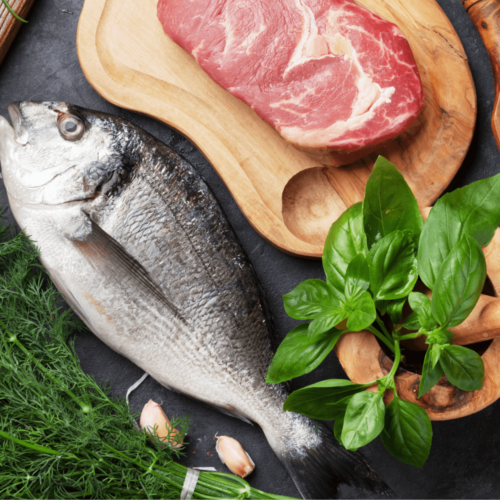
Cretan cuisine is recognized, beyond its taste, as one of the longest-lasting and healthiest cuisines in the world. The frescoes in the palaces of Knossos and several archaeological finds confirm that the Minoans 4,000 years ago used for their daily diet almost the same products that their modern descendants consume.
Fish, fruit and vegetables, vegetables, greens and aromatic herbs from the rich flora of the island, cereals, pulses, dairy products, honey and of course excellent quality olive oil and wine from the Cretan vineyard.
The philosophy of Cretan cuisine is based on what the Cretan land and sea have to offer. Without elaborate cooking techniques, it is based on harmony and simplicity that highlights the autonomy, identity and taste of each ingredient.
Galomizithra
Cheese, with a very simple cheese-making process, where the milk is turned into cheese with natural acidification, that is, it cuts. It is not a marketable cheese and is mainly made at home. It has the same texture and taste as Chania myzithra and Cretan xinomyzithra. It is tasty, smooth with a slight sourness. Perfect for the Cretan dako.
Gruyere
Slightly salty taste, full of butter and milk proteins. It is made from goat's milk. The best quality is when it is produced from purebred sheep. It is eaten as is, raw, with fruit and bread, cooked in pies, also breaded as saganaki.
Anthotiros
It is produced from sheep and goat milk. It ripens with time and with the help of salt, hardens and loses moisture. Its name may come from the flower of the cheese or from the athos of the cheese, where athos means ash, since the cheese when it ripens looks as if ashes have been poured over it. It is suitable for spaghetti.
Malaka
It is the curd resulting from the first stage of graviera cheese making. It is elastic and homogeneous and is used exclusively in pies and especially the Chaniotiki cake made with 4 cheeses, lamb and mint.
Myzithra
A soft fresh almost low-fat cheese with a mild and neutral taste. High in fat, so it should be consumed in moderation in case of a diet. It is used in confectionery. It accompanies fresh fruit and is offered as an appetizer or as a dessert with honey.
Staka
Between cheese and yogurt, another dairy product. The cream cheese from milking is lightly salted and stored. When a sufficient amount is collected, it is heated over low heat for several days and a small amount of flour is added, thus separating the proteins from the fat. The fat is collected separately and is the famous castor butter while the white and gelatinous mass of the proteins is the famous staca. It is cooked with eggs, with spaghetti, pilaf or even in pies, while it is also consumed raw in the form of cheese salad.
Kefalotiri
Its taste is salty, spicy and oily. It is made in many parts of Greece from sheep milk, the mixture of sheep and goat milk with a sufficient amount of salt. Perfect for a pasta dish.
Xigala Sitias
Cheese with a creamy texture made exclusively in Sitia. The taste is similar to Xynomizithra and Chania curd. It has a rich taste, slightly sour and fresh.
Xinomyzithra
An exclusively Cretan cheese, where the curd together with fresh milk is left for 24 hours at natural temperature to sour. It is produced from sheep or a mixture of goat and sheep milk. It is ideal for pies and diets.
Apaki
Traditional cured meat of mountainous Crete. It is made mainly from pork, usually from the brisket. The meat is marinated in vinegar with spices, which always include cumin and maybe mint, for 2-3 days. It is then hung and smoked on sprigs of sage and thyme. Apaki can be eaten both cold and hot, plain or in dishes of eggs, legumes, pizza, pasta or salads. It can also be served as an accompaniment to beer.
Sausages
Vinegar, smoky, spicy Cretan sausages are one of the most special Cretan appetizers that cannot be missing from any Cretan daily or festive table. They are made from fresh, coarsely ground, completely lean pork with some bits of fat. They owe their characteristic taste to grape vinegar and their aroma to their smoking in natural aromatic woods. They are one of the most special Cretan mezes and are accompanied by plenty of wine.
Syglino
The smoked pork synglino in the fat is a traditional Cretan specialty, which comes from pieces of pork meat. The meat is salted and seasoned with spices and herbs that give it a unique flavor and aroma. The pieces of meat are then smoked to give them their characteristic flavor. The peculiarity of smoked pork is that it is stored together with their fat, known as glina. This storage method helps preserve the freshness and flavor of the meat, offering a flavorful and nutritious meal that can be enjoyed in many Cretan recipes.
Smoked pancetta
Smoked pancetta is an excellent choice for lovers of smoky flavor and Cretan cuisine. It is prepared from fresh Cretan pork pancetta, with the aromatic herbs of the Cretan land, such as oregano, rosemary and thyme, giving the pancetta a wonderful taste and unique aroma. The smoking process enhances these aromas even more. It is served as an appetizer or part of many traditional Cretan dishes such as omelettes.
Dakos & barley roll
A creation of the need to keep bread longer, the loaves have been known since ancient times as bipyrite breads and are made with various flour mixtures. The Cretan nut made of barley flour, ``dakos`` the parallelogram and ``barley roll`` the round one, is intertwined with the way of life and culture of Crete and is the daily bread of the family.
Petimezi
Petimezi is a natural sweet syrup with a dark color which is produced by boiling the must. It is mainly used as a sweetener for the production of sweet and sour dishes, for salad dressings, for sweet syrup (e.g. in ice creams, yogurts, doughnuts) and in various drinks instead of sugar. Indicative of their concentrated taste is the fact that a spoonful of petimezi requires almost a bunch of grapes.
Carob honey
Carob, the Greek fuperfood with excellent nutritional value, beneficial properties and incredible taste. Carob honey is produced from the pods of the plant, a natural sweetening syrup with a chocolate flavor similar to petimezi.
Honey
The two united bees, a symbol of the Minoan Civilization, underline the importance of honey in the diet of the Cretans. The nature of the island, rich in endemic plants, gives excellent honey, very thick, particularly tasty and with a characteristic aroma of thyme, herbs and wild flowers.
Avronies
Wild Cretan asparagus, edesma with characteristic bitterness, are cooked (the tender tops of the herb) boiled salad with lemon or vinegar and oil, yachni and make very tasty omelettes.
Ascolibrous
The wild herbs of Crete characterize Cretan cuisine. Ascolibris, wild or cultivable, are served boiled with lemon oil, with fresh beans, with snails, in spungato (omelet) and of course the festive goat dish with ascolibrus egg and lemon.
Askordoulakoi
Ascordulakoi are bulbs that, as a pickle, are a traditional and favorite salad of the Cretans. Fragrant and sour, usually flavored with fresh mint, they accompany wonderful legumes and meats.
Anthrakla or glistrida
Grass of the Greek summer with a special taste, pleasant subtle acidity and a feeling of freshness. It is eaten raw, as a salad, with onion, vinegar or lemon and mint, it enriches the village salad or it is stewed with meat, chicken or fish.
Giachnera or tsigariasta
In fact, this term does not refer to any specific grass but to a variety of wild or cultivated herbs of the Cretan nature. Leek, sekkoula, lapatha, maratha, spinach, myronia, rabbit grass, ahajiki, kaukalithres, mantilides and others, are the filling for traditional Cretan green pies or cooked braised (sautéed) with spinach or mushrooms, with snails and potatoes, cuttlefish or pork .
Rodikio
The king of Cretan vegetables, the Cretan radish, ``rodikio`` as the locals call it, is a highly refined variety of radish with moderate bitterness, while there is also the horseradish variety. It is eaten raw in a salad or boiled with potatoes, and served with olive oil or olive oil vinegar.
Capers
Known for the spicy flavor it gives to the beloved Cretan salad, capers are particularly popular in Cretan cuisine. It stars with its buds and pickled petals in traditional Greek salads, is an excellent accompaniment to fava beans and is added as a seasoning to many cooked dishes with tomato sauce or fish.
Kritamos
Kritamos is edible, aromatic, with a strong aroma and taste, a plant known since ancient times. It is eaten fresh in salads and appetizers adding an unusual flavor, in omelettes, in fish soups and is an ideal meze for raki.
An enjoyable gastronomic journey from the depths of the ages to contemporary Greek cuisine. A creative blend of ancient Greek, Minoan and traditional Cretan cuisine.
Copyright 2024 created by Netsolutions